Gluten-free supplì in Rome

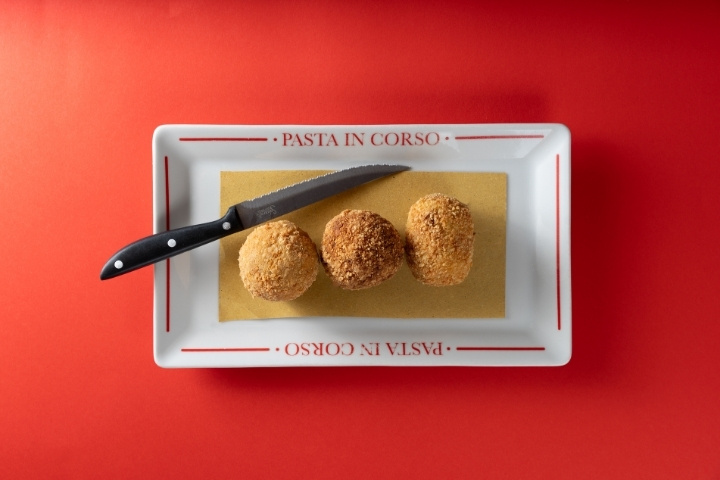
If you are looking for where to eat a good gluten-free Roman supplì in Rome, then you are in the right place. In Rome, at our 4 locations located in the areas of Monti-Colosseum, Vittorio Emanuele-Trastevere, Pantheon and Cavour, you can enjoy at the table or takeaway, 4 different types of gluten-free supplì.
PAGE SUMMARY
- Gluten-Free Supplì in Rome
- Where to Eat Gluten-Free Supplì in Rome
- The Story of Our Supplì
- Differences Between Traditional and Gluten-Free Supplì
- The 3 Safety Challenges: Coating, Oil, and Kitchen
- Why Many Consider Them the Best in Rome
- How We Prepare Gluten-Free Supplì
- Ingredients and Raw Materials
- Gluten-Free Supplì Prices
- Who Can Eat It
- Customer Reviews
Gluten-Free Supplì in Rome
If you are looking for where to eat a great gluten-free Roman supplì in Rome, whether seated comfortably at a table in the city centre or enjoying it as takeaway, then you are in the right place.
In Rome, at our 4 locations in the Monti-Colosseo, Vittorio Emanuele-Trastevere, Pantheon and Cavour areas, you can enjoy 4 different types of gluten-free supplì, either at the table or to take away.
- Classic
- Amatriciana
- Cacio e Pepe
- Carbonara
Where to Eat Gluten-Free Supplì in Rome
If you want to try a gluten-free supplì in Rome, Pasta in Corso is the answer. Here every traditional dish – including supplì – is prepared using certified ingredients, in separate kitchens and according to strict protocols designed to eliminate any risk of contamination, while preserving the flavour and texture of the original Roman recipe. The production laboratory is separate. The fryer is dedicated. The coating has been specifically designed to maintain its crunch and is made from a blend of flours, including rice and chickpea flour.
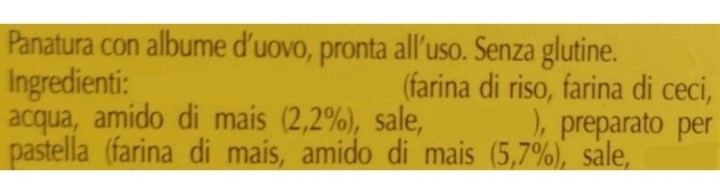
Zero contamination, but above all a production process designed to create a truly delicious product, impossible to distinguish from the same product made with gluten.
Pasta in Corso restaurants are located in the centre of Rome, in neighbourhoods that are easy to reach on foot or by public transport from the main metro stations and tourist attractions.
- Pantheon – Via della Maddalena 43.
- Cavour – Piazza Cavour 17/b, in the Prati district.
- Corso Vittorio Emanuele II 273, just a few minutes from the historic city centre.
- Monti-Colosseo – Via dei Serpenti 9, next to the archaeological area.
Every location maintains the same standards of safety, technique and quality. The result remains the same: a supplì that is faithful to the Roman tradition, prepared without gluten and without compromising on taste.
The Story of Our Supplì
Supplì has been part of Rome’s culinary heritage since the nineteenth century: tomato rice, a melting mozzarella centre, golden coating, and a simple balance that only appears simple, capable of spanning generations and remaining part of the city's everyday food culture. This product has become a gastronomic symbol, as well as an essential pleasure for anyone who loves Roman cuisine. For those who must avoid gluten, this pleasure has long been denied or limited to disappointing versions. Many alternatives focused only on being gluten-free, neglecting flavour and texture.
At Pasta in Corso, the first gluten-free restaurant... but also not, we decided to take this challenge seriously: creating a gluten-free supplì that respected the authenticity of the recipe without compromising quality or flavour. And one that would allow everyone to sit at the same table, without distinctions, and enjoy this cornerstone of Roman cuisine together. The idea that guided us was simple: is it possible to make a gluten-free supplì? The goal was not to create a product that was merely “suitable” or a tolerable variation, but the real Roman supplì that anyone could recognise even blindfolded.
Removing gluten from a preparation based on the balance between rice, coating and frying requires rethinking every detail of the process, from the flours to the structure of the coating (which must have the right consistency and texture), from kitchen management to the final result on the palate. What was the outcome? A faithful reinterpretation of the true supplì, but without gluten.
Differences Between Traditional and Gluten-Free Supplì
The main difference lies in the coating. Rice is naturally gluten-free. Bread is not. The art of supplì lies in the coating. It must have the right texture, the right level of saltiness, and the right crunch. Pale or overly fine coatings make a supplì look uninspiring. At Pasta in Corso, we use a coating that has been carefully selected and tested specifically for frying. The result is maximum crunch, flavour, and taste.
The 3 Safety Challenges of Gluten-Free Supplì: Coating, Oil, and Kitchen
Coating
The coating is the most delicate aspect of gluten-free supplì. In a supplì, the coating is not simply a covering but a structural component. To achieve the right level of crunch, it is not enough to buy a certified gluten-free coating; you need to choose a high-quality one. Ours was selected after numerous comparative tests evaluating performance, crispness, and frying behaviour. At Pasta in Corso, after extensive testing, we chose what we believe is the best gluten-free coating available on the market, allowing us to offer a sensory and flavour experience (particularly in terms of crunchiness) that is perfect, appetising, and inviting.
The coating adheres perfectly to the rice mixture (which follows a slow preparation process, rests, and develops a structure designed not simply to be soft, but to react correctly during frying) without becoming overly compact. Once immersed in hot oil, it forms a uniform golden crust. When you bite into it, there are no unusual flavours and none of the powdery crumbly texture often associated with many gluten-free products. Instead, there is only the familiar sensation of a gluten-free supplì prepared exactly as it should be.
Oil
Frying is one of the most critical stages in preparing a gluten-free supplì. Even minimal contamination of the oil can make the product unsafe for people with celiac disease. For this reason, we use a fryer dedicated exclusively to gluten-free products. The oil never comes into contact with foods containing gluten, completely eliminating any risk of cross-contamination.
Kitchen
Two separate kitchens: guaranteed food safety. Cross-contamination is a central issue in gluten-free dining. There are no half measures: either a completely safe environment is guaranteed, or it cannot truly be called gluten-free cooking. Our frying oil is reserved exclusively for gluten-free products. We are not talking about frequent oil changes or particularly thorough cleaning procedures: we are talking about a dedicated fryer that never comes into contact with foods containing gluten. This protocol completely eliminates the risk of contamination and, equally importantly, preserves the purity of flavour. Pasta in Corso was built around a precise architectural concept: two completely independent kitchens, designed from the outset to operate side by side without any point of contact.
The gluten-free kitchen is equipped with dedicated utensils, work surfaces, cookware, and small equipment. Staff receive specific training in food safety protocols relating to intolerances and the preparation of gluten-free dishes. The identification system is immediate and effective: all dishes prepared in the gluten-free kitchen are served on rectangular plates, while traditional dishes are served on oval plates. This solution eliminates any possibility of service errors and provides customers with immediate visual confirmation.
Why Many Consider Our Gluten-Free Supplì the Best in Rome
The result: a perfectly crafted gluten-free supplì. The crispness of the coating, the creaminess of the rice, and the stretch of the mozzarella are all faithful to the original. Those who taste our supplì never feel like they are eating an “alternative” or “substitute” product; they are simply enjoying an excellent Roman supplì. They are so good that in our restaurant there is no gluten-containing version.
How We Prepare Gluten-Free Supplì (Kitchen Process)
The Rice
The preparation of our gluten-free supplì begins with rice, slowly cooked in a tomato broth made with locally sourced tomatoes. Cooking requires precise timing and constant monitoring to achieve the creamy consistency that characterises a great supplì: neither too dry nor excessively moist, compact yet creamy. After cooking, the rice is left to rest in order to stabilise its structure. This step is essential because it allows the mixture to reach the ideal consistency for shaping and subsequent frying.
The Mozzarella
At the centre of every supplì, we place a cube of mozzarella that retains the correct moisture level and develops the creamy stretch that defines a great supplì. The size of the cube is carefully calculated to achieve the perfect balance between rice and cheese: large enough to create the famous “telephone wire” effect when the supplì is opened, but not so large that it overwhelms the flavours.
Frying
Frying takes place at a controlled temperature of 180°C, ensuring even cooking throughout: the exterior develops its characteristic golden-amber colour while the interior heats evenly, allowing the mozzarella to become perfectly melted and stretchy. Frying time ranges from 5 to 7 minutes, with constant monitoring of colour and crispness.
The Quality of Our Ingredients. The Ingredients in Our Supplì
Our suppliers are carefully selected within the Lazio region. This choice is based on both quality and organisational considerations: local products arrive fresher, retain their organoleptic characteristics better, and allow us to maintain direct control over the supply chain. Tomatoes from Lazio have specific characteristics that make them particularly suitable for preparing our rice: balanced acidity, natural sweetness, and a texture that withstands long cooking times. Mozzarella is delivered daily, as are all the other ingredients used in our kitchens.
The coatings we use are certified, carefully controlled, and selected after extensive testing. We look for coatings that reproduce the traditional sensory characteristics as closely as possible.
Gluten-Free Supplì Prices
All of our specialty gluten-free supplì are priced the same, €4, except for the classic supplì, which costs €3.50.
Classic Supplì: €3.50
Cacio e Pepe Supplì: €4
Carbonara Supplì: €4
Amatriciana Supplì: €4
Who Can Eat Our Gluten-Free Supplì
Pasta in Corso's gluten-free supplì is suitable for everyone and has been specifically designed for people with celiac disease or gluten intolerance. However, the philosophy behind Pasta in Corso goes beyond simply offering gluten-free dishes. Our goal is to create an environment where everyone can share the same dining experience and enjoy the same dishes together, without the dietary needs of some people affecting the choices of others.
Those who must avoid gluten and those who can eat it sit at the same table, browse the same menu, and enjoy the same experience. The only difference is the shape of the plate when the food is served: no separate menus, no distinctions, no flags.
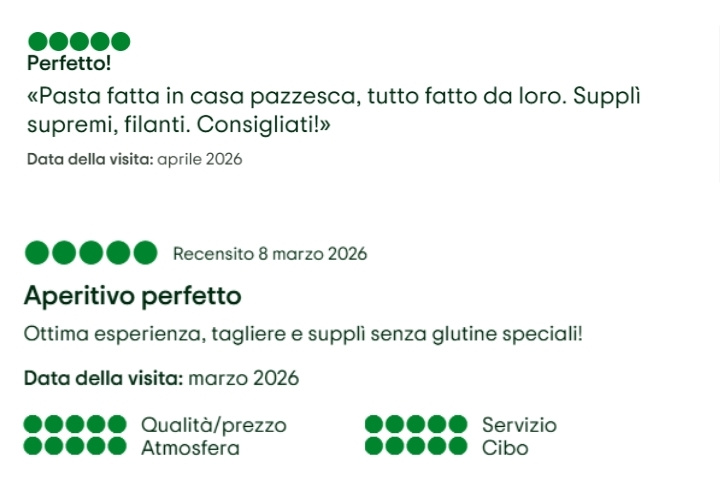
Customer Reviews
Book Now
PASTA IN CORSO
